
Water Level
Maintaining the water level in your pool:
The water level in your pool is probably the most important factor in maintaining your pool. This is because if the water level drops too low the equipment will not be able to operate to filter and sanitise the water.
Check the pool water level regularly to ensure that there is sufficient water to maintain flow. This means it needs to be high enough that no air is beiing sucked into the pool system. You should expect to lose anywhere between 2.5 - 10cm of water per week to evaporation and you will lose more water in warm, dry and windy conditions. If you suspect a leak you can test this using the bucket test or by monitoring salt levels.
Salt levels and water level
Salt does not evaporate and so it is a good indicator of water loss through non-evaporative processes. When you add water to the pool it will lower the salt level a little bit but this will increase again as the water evaporates and the levels should stay fairly steady over time.
If you find that your salt levels are dropping dramatically this is a strong sign that your pool is losing water from non-evaporative processes. Bear in mind that this could be from splashing, overflow or backwashing your filter, but it could also indicate a leak.
How high should the water be?
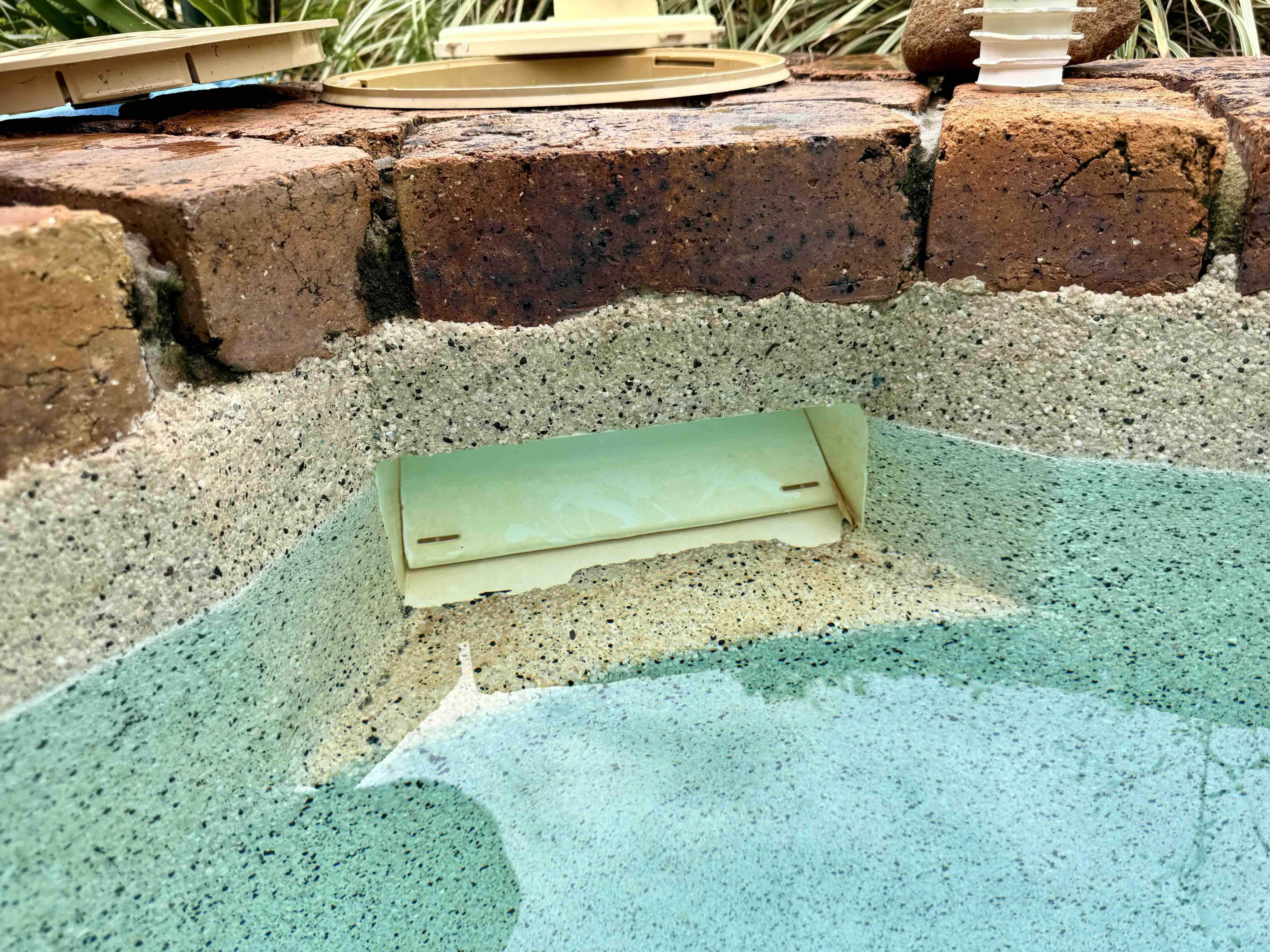
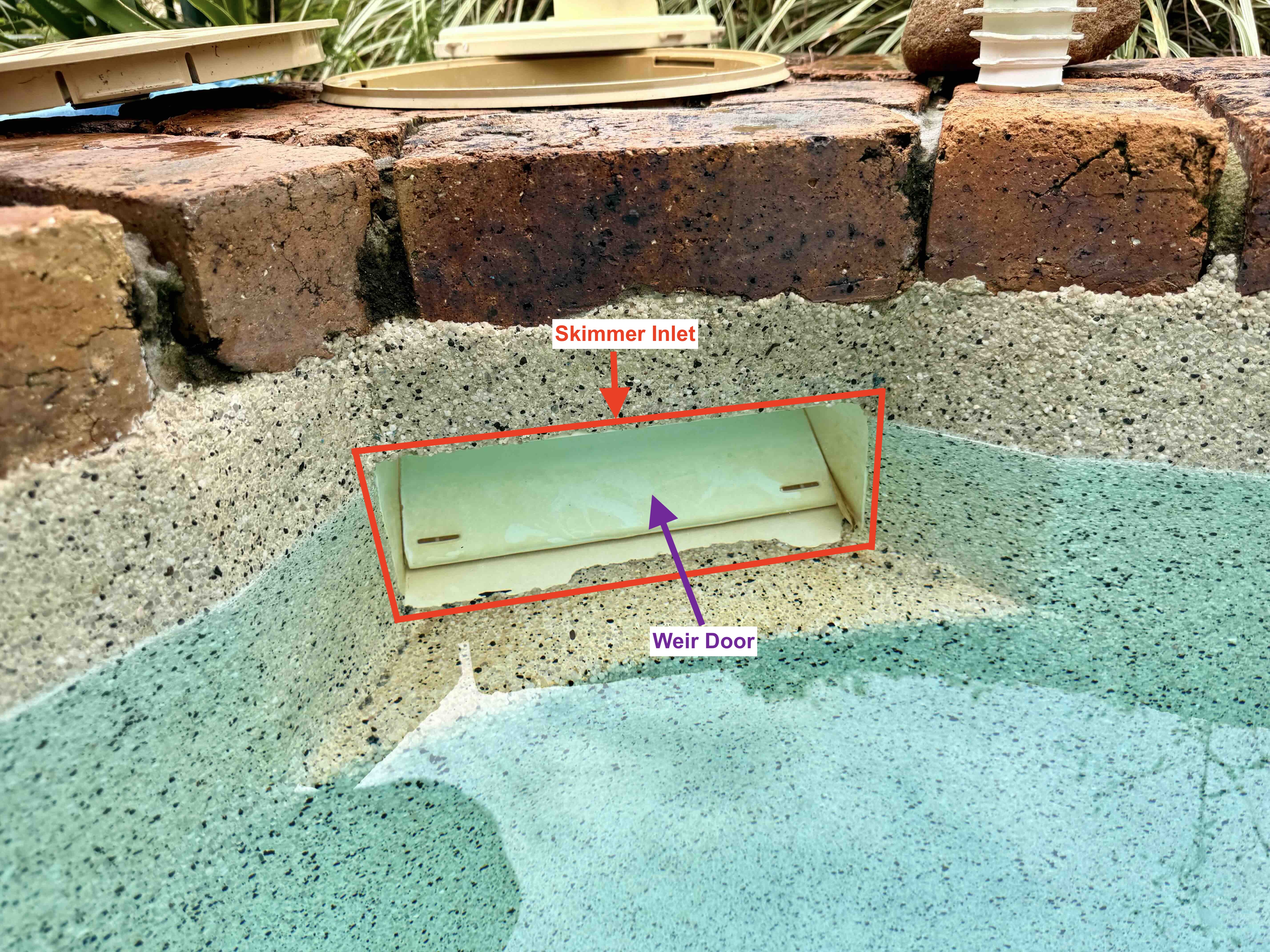
The rule of thumb is that the water needs to be high enough that no air is being sucked into the pool equipment and low enough that the skimmer inlet can still skim leaves and debris floating on the surface. On most pools this means it should be halfway up the skimmer inlet or higher, up to the top of the skimmer inlet. This may vary dependent on the water flow rate, whether a suction cleaner is in use, and whether a weir door has been fitted.

Can I wait until it rains?
This depends on how low the water level is. If your system is starting to draw in air then the time has come to top up your water. Of course, if you expect rain you can just top it up a little bit so that it is no longer drawing in air.
Helpful Tip!
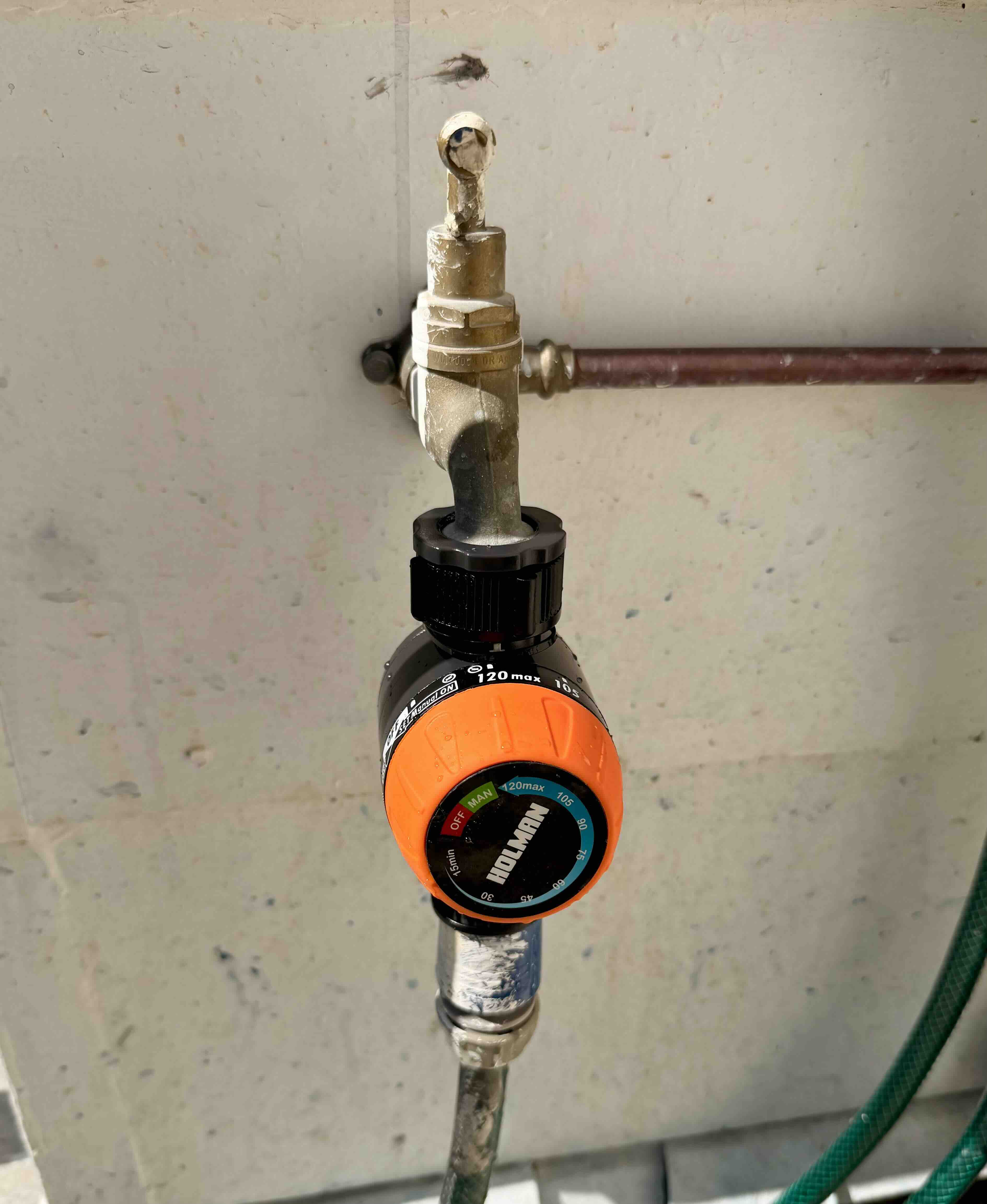
Get a garden tap timer and install it on the tap you use to top up your pool water. This makes topping up the water level much easier as you you set it to run for up to 2 hours and then automatically switch off.
Water level for pool servicing
If you are getting your pool serviced and you have a media filter, it is very important that you have your water level a little higher at the time of your service. There must be enough water for your pool technician to backwash the filter with the suction cleaner disconnected.
If the water level is too low your technician will not be able to clean your filter and this will lead to other issues such as poor water flow and filtration and may cause your pool to go cloudy or green before your next service.
Why is it important to maintain my pool water level?
To protect the equipment, maintain pool chemistry and filtration, and maximise the skimming of leaves and debris
- Adequate water flow is required for the pool equipment to operate.
- Air in the system can cause the equipment to fail or break.
- The chlorinator may detect 'no flow' and switch the equipment off to protect the pump from overheating. Moderate amounts of air flowing through the chlorinator cell and electrodes can also disrupt the flow of electricity and damage these parts.
- Running the pump without adequate water flow can cause it to overheat and damage the impeller or cause other parts in the system to melt.
- Media filters empty some water from the pool when being cleaned/backwashed and the water level needs to be high enough to accommodate this water loss.
- If the water level is too high the skimmer inlet will not function as a skimmer (i.e. leaves and debris floating on the surface will not be sucked in through the skimmer inlet.
